

Striped rugs home decor is making a serious comeback in 2024, with interior designers and homeowners leaning into stripes for freshness, movement, and timeless style. Whether you want to open up a hall, cozy up a coastal living room, or simply add personality, striped rugs are a practical trend—but they also come with real-world considerations you should know before buying.
Key Takeaways
- Striped rugs deliver big impact in home decor by shaping perceptions of space and injecting both color and texture.
- Material, cleaning needs, and pattern scale matter more than many realize—know the pitfalls before choosing your rug.
- Sustainable, eco-friendly striped rugs are trending, but watch for trade-offs like stain resistance and maintenance.
- The Core Concept: Why Striped Rugs Dominate Home Decor in 2024
- Step-by-Step Guide: How to Choose and Style Striped Rugs
- Advanced Analysis & Common Pitfalls
- Conclusion
- FAQ
The Core Concept: Why Striped Rugs Dominate Home Decor in 2024
Striped rugs have secured a spot on every major 2024 trend list, showing up in living rooms, hallways, and coastal-inspired spaces. They’re loved for their ability to elongate rooms, add movement, and inject just the right amount of pattern—without overwhelming. This year, stripes are more than a design afterthought: designers call them a “timeless staple” and “dominating the interior space.” That’s partially thanks to the industry spotlight on color, geometric line work, and the fact that stripes work with almost any interior theme, from modern coastal to earthy neutrals. Source.
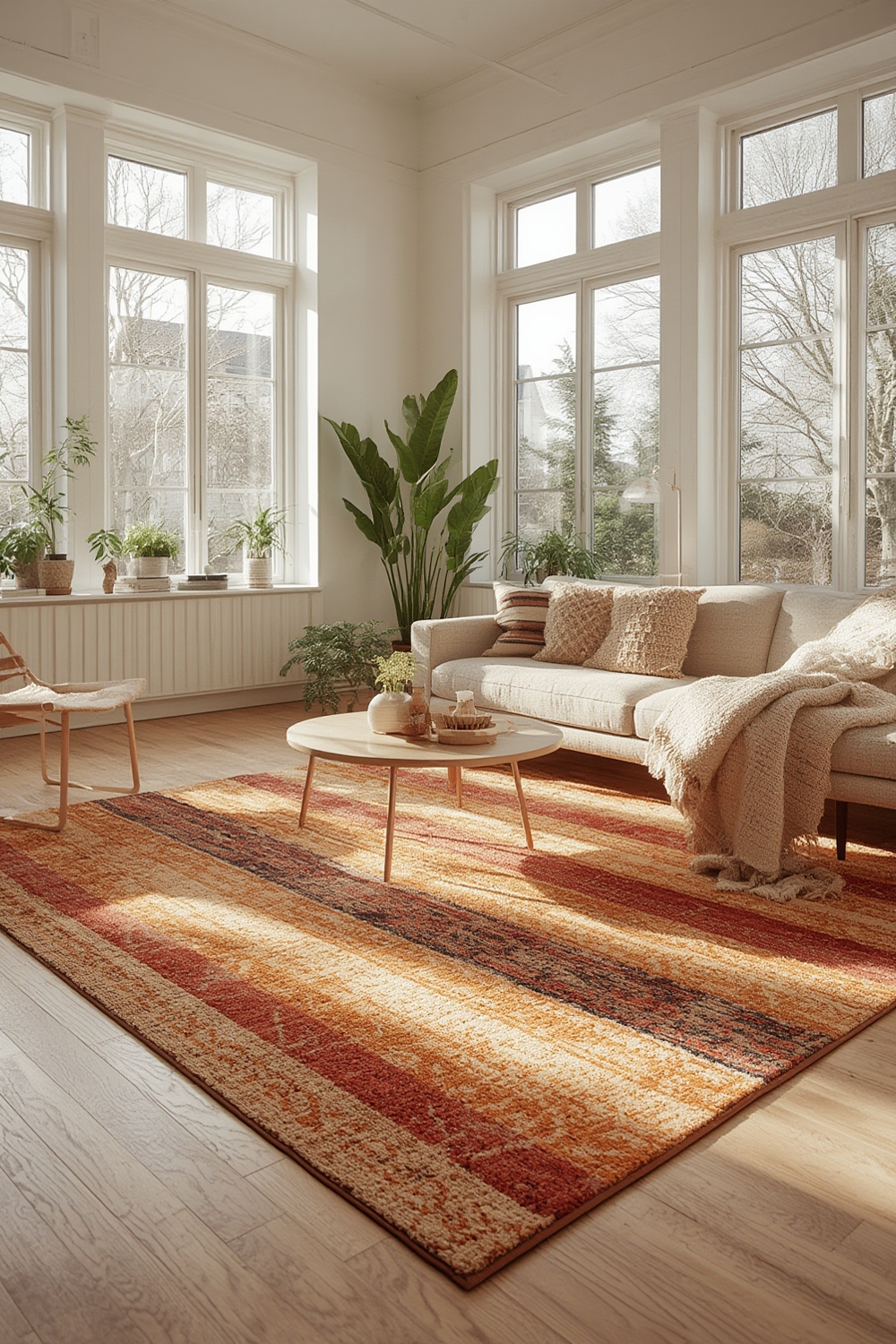
Stripe direction and scale make a real difference: wide stripes can make a room feel calm and open, while fine stripes add visual texture. Trending colors are moving away from cool grays toward warm neutrals, coastal blues, and even bold jewel tones. Construction and fiber type are now key, with sustainable choices like wool, jute, and recycled PET gaining traction. The shift isn’t just about pattern—it’s about responsible materials and real-life usability. Full trend breakdown.
Step-by-Step Guide: How to Choose and Style Striped Rugs
Choosing the right striped rug for your home is more than picking a color. Here’s how to navigate the process based on the latest data and expert tips.
-
Assess the Room and Desired Effect
- Hallways: Use lengthwise stripes to stretch space. Try darker stripes to hide dirt.
- Living Rooms: Wide or subtle stripes make a room look bigger and more cohesive. Choose according to your theme—maximalist, coastal, or earth-toned.
- Rental or temporary setups? Go for lightweight, non-permanent rugs and layer for flexibility, connecting with budget rental decor ideas.
-
Select Fiber and Construction
- Natural fibers (wool, jute, sisal, bamboo) are durable and eco-friendly, but jute/sisal can be less stain-resistant—best for low-moisture, indoor spaces. More on eco-friendly rug trends.
- Recycled PET and synthetics offer superior cleanability for families, pets, and coast-inspired homes but may have initial odor/off-gassing.
- Flatweave or low-pile construction makes for easy layering and tripping less likely, especially in halls and small spaces.
-
Prioritize Size and Placement
- For living rooms, even a small stripe makes an impact—but make sure the rug is big enough that at least the front legs of your sofa and chairs are on it. This is a top tip in furniture layout for rentals.
- In hallways, runners should allow for at least a few inches of flooring on each side.
-
Choose Colors and Pattern Scale Carefully
- Earthy neutrals, rusts, greens, and blues are trending. High-contrast stripes make a strong statement, while tonal and subtle stripes balance busier rooms.
- Stripe width: Fine stripes add energy but can be “busy.” Wider stripes feel calmer and less visually cluttered.
-
Coordinate Care and Rug Pad Needs
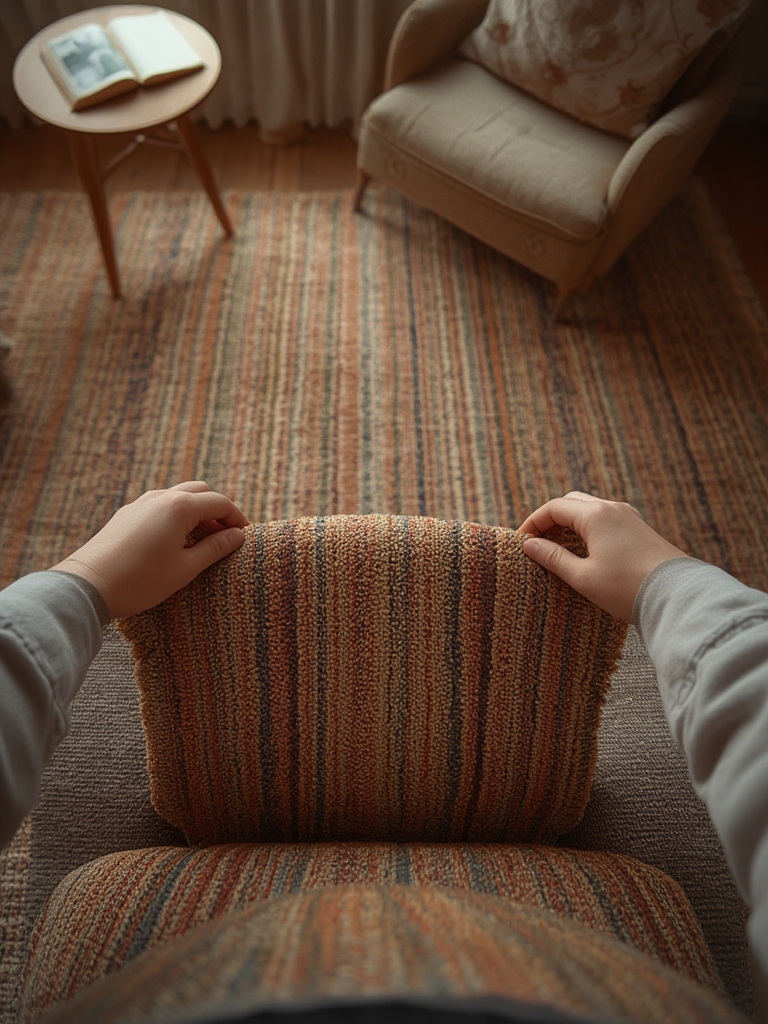
- Cotton and some PET rugs are washable, while jute and wool need gentler, regular vacuuming.
- Non-slip pads are a must for thin flatweave rugs, especially in high-traffic areas. For more detail, see our guide to removable wall decor and rug styling.
-
Watch for Sustainability and Certifications
- Brands are increasing use of eco-friendly, low-VOC, and fair-trade certifications for striped rugs. Look for recycled-content labels and clear sustainability claims. For more, read about renter-friendly lighting to pair with your rug choices.
Advanced Analysis & Common Pitfalls
Despite the many advantages of striped rugs, real-life experience (and user reviews) reveal some recurring pitfalls. Here’s what to learn from others’ mistakes:
- Color Accuracy Issues: Online images often appear brighter, duller, or completely different from the rug’s real color. Fine stripes in blue and coastal styles can look gray or faded in some lighting—double-check return policies before buying.
- Pattern Scale Surprises: Narrow stripes can create “visual buzzing” in small rooms, making the area feel frantic instead of open. Stripes that look balanced on a website can feel way too bold (or too subtle) in your own home, especially on large or tiny rugs.
- Pile & Feel Differences: Many striped rugs, especially budget-friendly flatweaves, are thinner and rougher than buyers expect. Read the thickness in millimeters, and beware of “plush” in descriptions that’s not backed by real specs.
- Durability and Cleaning Concerns: Hallways and living areas are hard on rugs—thin runners may curl or slip, and pale stripes show stains quickly. Wool and natural blends shed for months, while cotton/jute can be hard to clean if water or sand gets in.
- Alignment/Quality Issues: Crooked stripes or slanted edges are surprisingly common, especially on budget rugs. Return policies and in-person inspection matter.
- Sustainability Trade-offs: Jute, sisal, and some eco-friendly fibers are less tolerant of wet shoes, coastal sand, or high humidity. Synthetic options like PET offer more stain resistance, but they’re still plastic.
| Feature | Natural Fiber (Wool/Jute/Sisal) | Synthetic/Recycled PET |
|---|---|---|
| Durability | High for wool, moderate for jute/sisal | High, especially PET |
| Stain Resistance | Low–moderate | High |
| Cleaning Method | Vacuum, spot clean, some professional | Machine washable (PET/cotton), easy spot clean |
| Sustainability | Biodegradable, renewable | Recycled, less biodegradable |
| Downsides | Can shed, stain, and absorb water | Can off-gas, less natural texture |
Don’t forget about acoustic impact and comfort underfoot—thicker rugs can help with noise in open-plan spaces (see more on rug construction).

Conclusion
In 2024, striped rugs home decor isn’t just about a flashy look—it’s about shaping your space, supporting your values, and making an informed investment. By understanding color trends, materials, and the real challenges, you can choose a striped rug that transforms your room and works for your lifestyle. Ready to find your perfect striped rug? Research, compare, and buy with confidence today.
FAQ
Are striped rugs good for small rooms?
Yes. Striped rugs can make small spaces feel larger by drawing the eye along the length of the room, especially when the stripes run parallel to the longest wall.
How do I prevent my striped runner from slipping?
Always use a rug pad designed for your type of floor. Non-slip backing or rug tape can also keep runners stable, especially in hallways.
Do striped rugs stay in style?
Stripes are considered a classic pattern and trend reports call them timeless for a reason. They adapt well to changing color palettes and decor styles.
Can I clean a striped rug at home?
This depends on the material. Washable PET, cotton, and some synthetics can go in the laundry. Wool, jute, and other naturals generally need spot cleaning and care—always check the label.
Are natural fiber striped rugs suitable for damp or coastal areas?
Natural fibers like jute and sisal are not ideal for damp, sandy, or high-humidity environments due to risk of water staining and mildew. Opt for recycled PET or treated fibers in these areas.

[…] nonwovens, linen/bouclé visuals, or organic grasscloth styles. This pairs well with striped area rugs for on-trend […]
[…] additional character, complement the look with striped area rugs or add dimension using textured wallpaper on an accent wall or […]
[…] of drilling; magnetic planters and tension-rod shelving offer instant green walls without risk. Use a striped area rug or a peel and stick textured wallpaper to introduce further biophilic layers while keeping the look […]
[…] a striped area rug and lush planters enhances privacy, softness, and multi-season […]
[…] you want a cohesive, nature-inspired living room, combine moss decor with striped area rugs, textured wallpaper, and other biophilic living room decor ideas for a layered, wellness-oriented […]
[…] Textures with Other Decor Elements Pair textured pillows with smooth textiles such as striped area rugs or color drenched rooms for extra dimension. Want next-level layering? Integrate other sensory […]
[…] or those looking to quickly refresh a space, similar wellness principles apply when selecting striped area rugs or textured wallpaper: the goal is comfort and functionality, without sacrificing health or […]
[…] consider layering acoustic wall panels with textured wallpapers or feature soft textiles like striped area rugs to further reduce harsh sound reflections. Both pair naturally with acoustic treatments and add […]
[…] to complete your wall refresh? See practical rug tips in this guide on striped area rugs for another quick impact […]