
Moss wall art decor is transforming modern interiors by delivering zero-maintenance greenery, real biophilic impact, and unique wall statements for both homes and businesses. But picking the right system—and getting results as lush as the catalogs—demands real-world know-how.
Key Takeaways
- The moss wall art decor market is growing rapidly, especially in premium, preserved moss panels for low-maintenance indoor design.
- Common frustrations include tricky installation, flimsy materials, and misleading product images—especially with DIY kits.
- Understanding differences in moss types, maintenance, and best practices ensures stunning results and longevity in your space.
- 1. The Core Concept: What Is Moss Wall Art Decor and Why Choose It?
- 2. Step-by-Step Guide: Planning and Installing Moss Wall Art Decor
- 3. Advanced Analysis & Common Pitfalls
- 4. Conclusion
- 5. FAQ
1. The Core Concept: What Is Moss Wall Art Decor and Why Choose It?
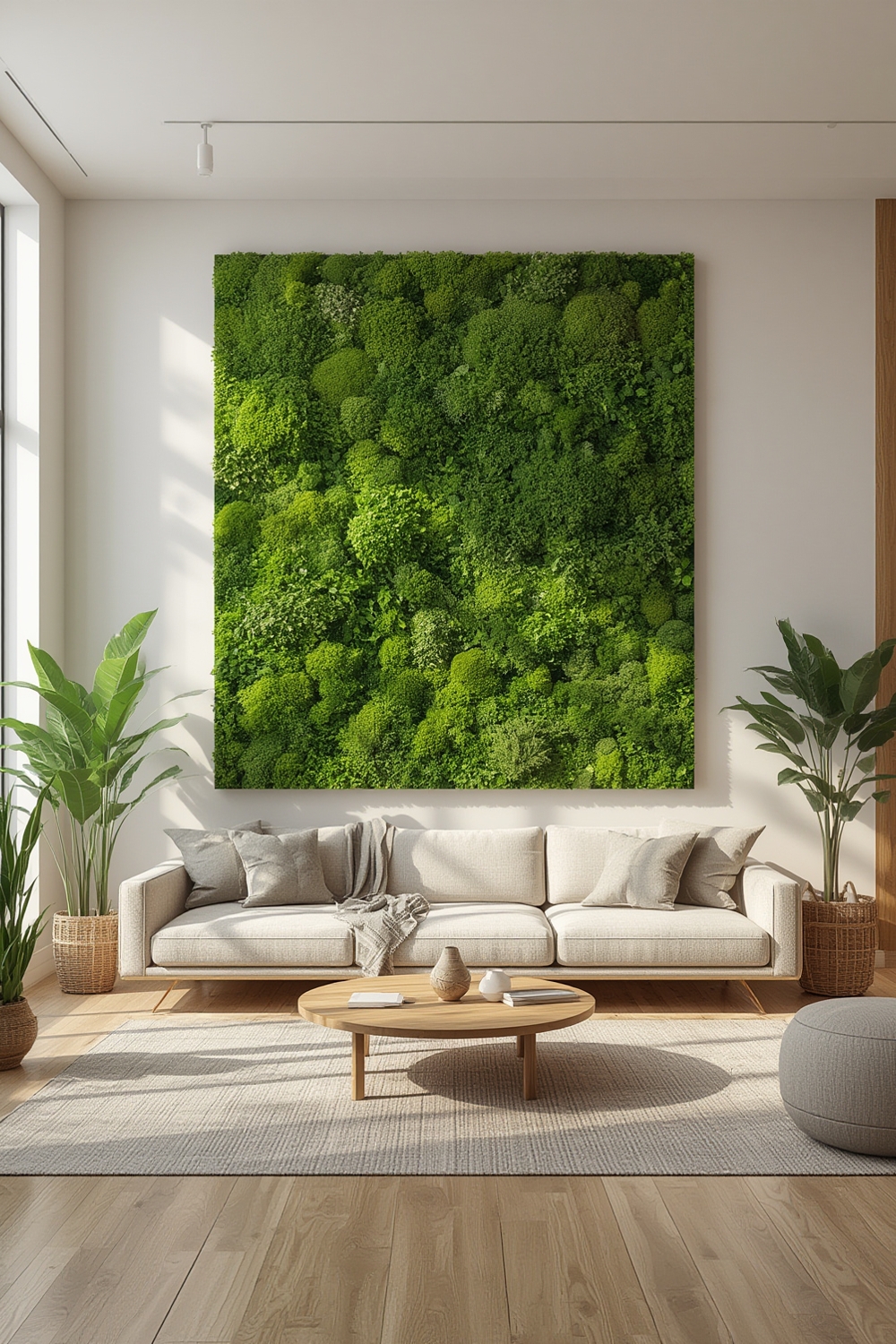
Moss wall art decor uses real preserved moss, live moss, or artificial moss to create living or nature-inspired wall features. These installations deliver natural visuals, calm ambiance, and even acoustic improvements—without daily plant care. The global moss wall panel market hit USD 1.25 billion in 2024, forecast for explosive growth by 2033, vastly outpacing the rest of the wall decor category according to 2024 market research.
Why is moss wall art booming?
- No sunlight, watering, or soil needed: Average preserved moss walls thrive in rooms with almost no natural light.
- True biophilic design: Genuine moss, not plastic, can calm nerves and promote wellness according to biophilic theories cited in 2024 decor trend analysis.
- Unique texture: Moss creates a three-dimensional sensory statement, unlike prints or flat wallcoverings.
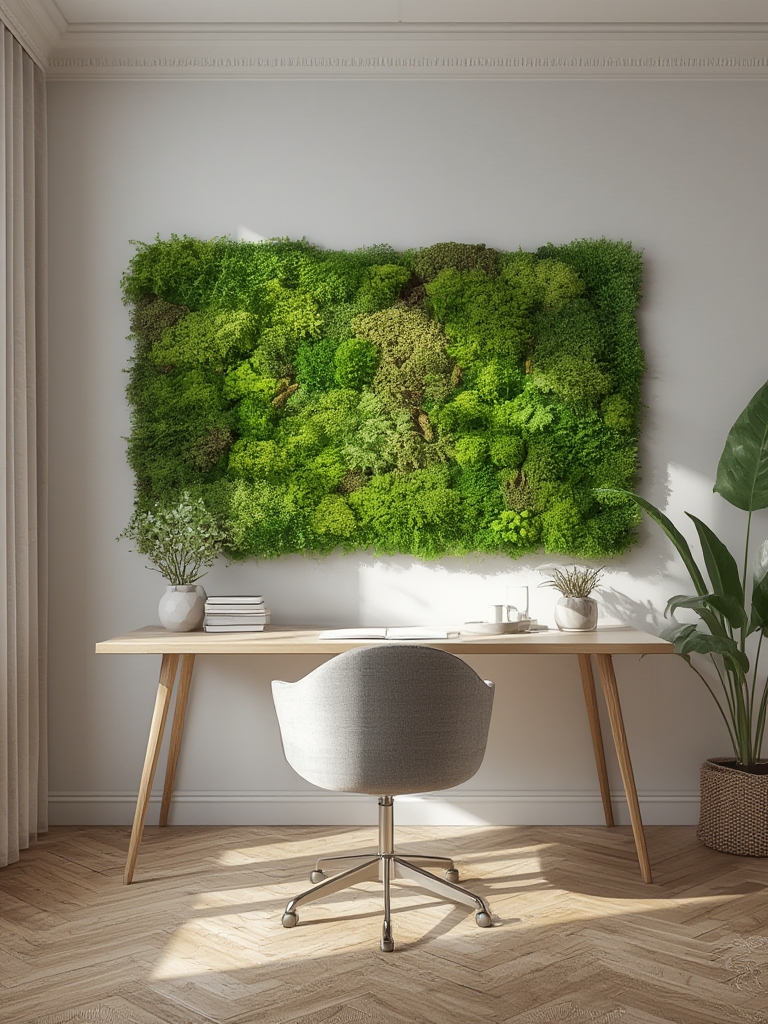
- Commercial and residential fit: Companies love moss for reception areas, open plan offices, and restaurants; it’s trending fast for homes (living rooms, baths, home offices).
2. Step-by-Step Guide: Planning and Installing Moss Wall Art Decor
Get maximum impact and minimum headaches by following these practical steps:
- Define your goal and placement. Decide whether you want a framed moss art piece, a full accent wall, or geometric panels. Living rooms, bathrooms (away from direct water), and offices are all fair game.
-
Choose your moss type.
- Preserved moss: Real moss stabilized for a “forever green” look, no care required.
- Live moss: Needs misting, humidity, and sometimes light. Best for plant enthusiasts.
- Artificial moss: Synthetic, never needs care, but not as tactile or sustainable.
-
Set your budget—and pick pre-made or DIY.
- Pre-made: Highest quality, lowest hassle. Just mount on the wall.
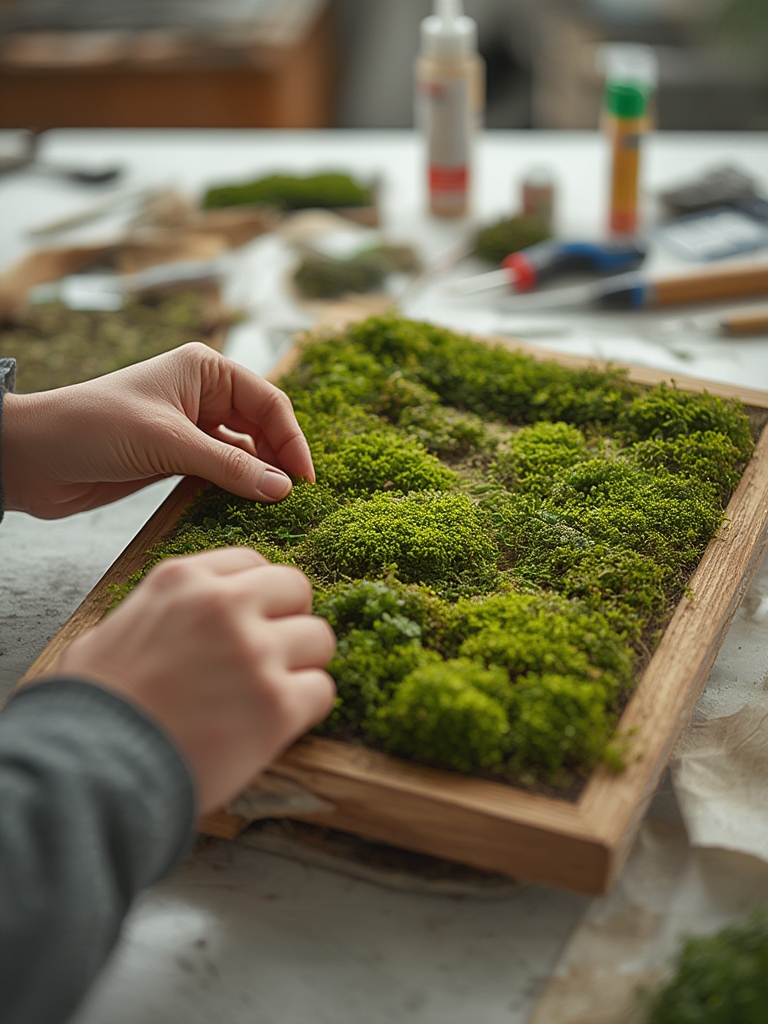
- DIY kits: Lower price per sq-ft, more customization, but requires time and craft skills.
See the detailed comparison in Section 3.
- Measure your space carefully. For a full wall, sketch panel layout to keep seams tight and minimize waste. Remember: small gaps look much larger once on the wall.
-
If DIY, gather all hardware and supplies first. Most pain comes from kits missing items. You’ll likely need:
- strong adhesives or fasteners rated for your wall type
- Tape measure, pencil, level, and clean gloves
- Frame or rigid backer board (if not included)
- Dry fit everything before permanent mounting. Preposition panels; check alignment and density. For best results, stagger seams and trim as needed.
- Mount panels or artwork according to manufacturer directions. Use the correct anchors for your wall type. Larger panels may need z-clips, rails, or multiple anchor points for support; framed moss art typically uses standard picture hooks.
- Final checks and gentle touch-up. Use clean gloves to fluff moss and cover any visible backing. Dust gently with a soft brush.
- Check for seasonal discounts if ordering online—search volume for “moss wall art” and gifts peaks during holidays (see trend data).
- If you want a cohesive, nature-inspired living room, combine moss decor with striped area rugs, textured wallpaper, and other biophilic living room decor ideas for a layered, wellness-oriented design.
3. Advanced Analysis & Common Pitfalls
Real-world market data and customer reviews highlight recurring pain points and realistic problems with moss wall art decor:
- Assembly & Installation Struggles: DIY kits can be frustrating—instructions may be unclear, panels often arrive without needed hardware, and seams rarely align perfectly on the first try (see category complaints).
- Build Quality Doubts: Flimsy frames and backers can cause shedding, warping, and panels detaching over time. Cheaper DIY kits are infamous for this—corners lift, moss thins out, and glue can be visible.
- Expectation vs. Reality: Lower-end products rarely match the rich, lush images in marketing. Sparse moss and uneven color disappoint, leading to returns.
- Durability Gaps: Preserved moss is “zero maintenance,” but only under stable indoor humidity. Too dry, and moss gets brittle and sheds; too damp (like near showers), adhesives can fail and panels deform.
- Odor, Dust, and Allergy Worries: Some experience a mild “earthy” scent at first. Dust accumulation is possible in textured moss, and live moss can raise allergy or mold questions if not maintained.
- Support Is Rarely Great: Many kits come with poor documentation, leading to botched installs and frustration—reviews specifically mention returning products due to lack of clear guides.
How do pre-made framed moss art and DIY panel kits really compare?
| Aspect | Pre-Made Framed Moss Art | DIY Moss Wall Panel Kits |
|---|---|---|
| Typical Positioning | Premium finished wall art, design-ready | Budget-friendlier hands-on project, high customization |
| Cost Structure | Higher per-square-foot, inclusive of design and QA | Lower per-square-foot, may need extra tools and hardware |
| User Skill Needed | Minimal – just mount | Moderate – measuring, assembly, alignment |
| Time to Install | Single-step mounting | Multi-step project, can be hours |
| Quality Consistency | High if reputable brand; factory-controlled | Variable; strongly depends on user |
| Customization | Choose shape/size at order, fixed design | Custom layout, color, pattern during build |
| Risk of Pain Points | Low (assembly, stability); mostly color fading | High (stability, material quality, unclear instructions) |
| Best Fit | Plug-and-play statement, guaranteed look | DIY-ers, budget control, unique layouts |
For more on pain points and realistic decor alternatives, see textured wallpaper and color drenched room solutions.
Preserved vs. Live vs. Artificial Moss Panels: Technical & Maintenance Differences
- Preserved: Zero watering, best for low light, multi-year lifespan with simple dusting. Quality brands use safe preservation; always ask for material safety data for use around kids and pets.
- Live: Needs misting, specific humidity, and sometimes replacement. More demanding but authentic for green wall experiences.
- Artificial: Dust occasionally. Won’t achieve the same tactile or wellness impact, but safest for allergy-prone spaces.
Explore a technical deep-dive on moss panel care and safety for project details.
4. Conclusion
Moss wall art decor brings biophilic beauty, striking style, and genuine wellness benefits to modern homes and offices—if you choose the right products and install them thoughtfully. Avoid the pitfalls by understanding moss types, installation tricks, and maintenance realities. Whether you want a ready-to-hang centerpiece or a full DIY feature wall, moss wall art decor offers a unique edge over flat prints, especially for those investing in wellness and sophisticated design.
Ready to refresh your space? Browse designs, compare kits, and take your wall from blank to breathtaking—see our links below for inspired combinations and how-to guides.
5. FAQ
How long does a preserved moss wall art panel last?
With stable indoor humidity and no direct sun, high-quality preserved moss panels can last 5–10 years or longer before fading. Avoid direct heat and extreme dryness for maximum longevity.
Can moss wall art decor go in bathrooms?
Yes, but only outside of direct splash zones. Humidity is usually beneficial for preserved moss, but avoid steam or water exposure that can weaken adhesives or deform panels.
Is moss wall art safe for kids and pets?
Reputable suppliers use non-toxic materials and safe preservatives. Still, always confirm chemical and fire-safety data with your vendor, especially for bedrooms and play areas.
What’s the easiest moss wall art decor for beginners?
Pre-made framed preserved moss art panels are the most straightforward: just unpack and mount with standard picture hooks. DIY kits require more prep and attention to installation details but allow more customization and scale.
Does moss wall art improve air quality?
Live moss walls can help with humidity and VOC uptake to a limited degree. Preserved and artificial versions provide psychological comfort and acoustic improvement more than measurable air filtration.

[…] renters and design-focused users, explore visually engaging/biophilic panel choices like moss wall art panels or add texture through chunky knit throw pillows for a softer sound and look with minimal install […]
[…] abstracts with striped area rugs, textured throw pillows, or biophilic elements like plants or moss wall art for added […]