
Wellness bedroom lighting can directly affect your sleep quality, mood, and even your health. It’s not just about making your bedroom look cozy; what you see (and what you don’t) at night and in the morning impacts how you feel, how you think, and how well you rest.
Key Takeaways
- Proper wellness bedroom lighting supports better sleep, alertness, and overall well-being by minimizing blue light at night and simulating natural light rhythms.
- Many “warm” bedroom lights are still too bright or too cool and can disrupt your sleep if not chosen carefully for spectrum and dimming range.
- Circadian-friendly lighting features (low-blue, stepless dimming, quality driver, and just-right placement) matter more than just color temperature or fixture looks.
The Core Concept: What Is Wellness Bedroom Lighting and Why Does It Matter?
Wellness bedroom lighting means setting up your bedroom lights not just for style, but specifically to help your body’s natural sleep cycles. It’s about dialing in the right brightness, color, and timing to support restful sleep, quick morning wakefulness, and a calmer mind at night.
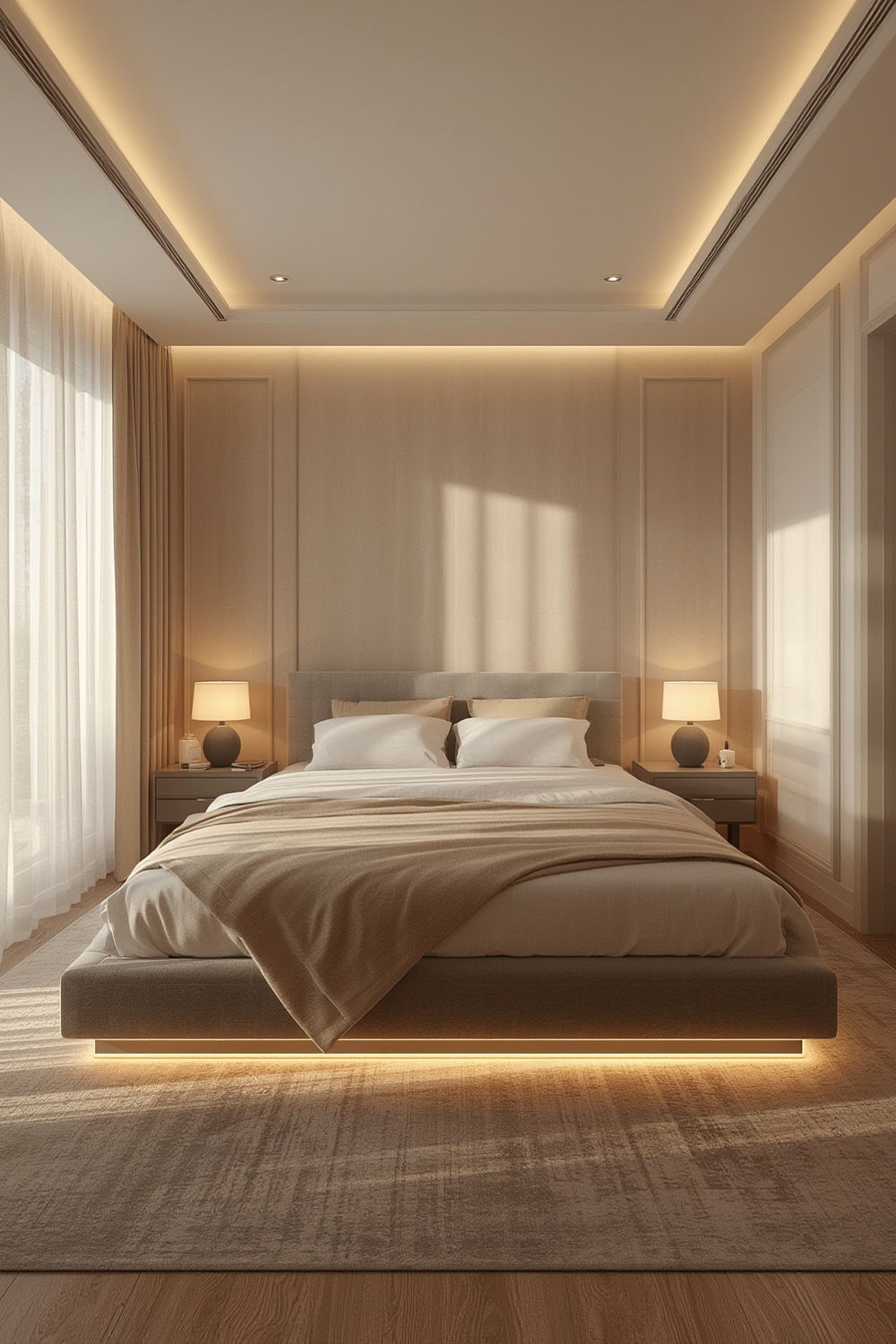
Recent studies reveal that sleeping with a TV or regular room lights on leads to poorer sleep and more grogginess (see study here). Even low levels of the wrong spectrum (especially blue-rich light) can disrupt your sleep quality and next-day energy (source).
The main idea is to keep bedroom light very soft, warm, and easy to dim at night—aiming for true darkness by bedtime. In the morning, brighter and more blue-toned light (think daylight or circadian-matched setups) jumpstarts your body clock.
Simply picking “warm” bulbs or trendy light strips often misses these targets: spectrum, brightness at eye level, and quality all matter. To really improve sleep and wellness, your lighting strategy has to be intentional and practical—aligned with how your brain and body react to light, not just how your bedroom looks.
For renters or those looking to quickly refresh a space, similar wellness principles apply when selecting striped area rugs or textured wallpaper: the goal is comfort and functionality, without sacrificing health or mood.
Step-by-Step Guide: How to Set Up Wellness Bedroom Lighting That Actually Works
-
Prioritize true darkness for sleep.
- Make sure no main lamps or heavy accent lights stay on through the night. Studies show even 5–10 lux (less than most string lights or typical nightlights) can disrupt deep sleep (see research report).
- If you need a nightlight for safety, pick a faint, low-blue, shielded LED that switches off automatically after use.
- Cover or move digital clock displays and block any outdoor light leaks with blackout curtains.
-
Choose warm, dimmable bedside lighting—go lower and warmer than you think.
- Look for lamps or integrated LEDs with a color temperature of 2200 to 2700 K (not just “warm white”).
- Test the lowest dim level in-store or at home: your bedside should allow a faint glow, ideally well below 10 lux at eye level. Many lamps that advertise dimming flicker, buzz, or turn off before reaching truly low levels.
- Brands like Philips Hue, Casper Glow, and IKEA Tradfri excel at smooth dimming. For higher-end, wellness-centric options, Bios Lighting or Lighting Science offer more precise spectrum controls.
- For visual comfort, pick a lamp or headboard strip with a CRI of 90 or higher so objects and skin tones don’t look harsh or “off.”
-
Look beyond just color—check spectrum and flicker.
- Not all 2700 K bulbs are equal. If possible, check for “melanopic equivalent daylight illuminance” (EDI) or a “melanopic/photopic ratio”—the lower, the less circadian impact at night. This is rare in cheap LEDs, but emerging in wellness brands.
- Choose “flicker-free” products for sensitive users—PWM flicker is a major cause of headaches and eye strain with budget LED strips, especially when dimmed low.
-
Install indirect or shielded lighting for pure, soft ambience.
- Mount LED strips behind headboards or along architectural features so you never see the LED points directly. Use proper diffusers.
- For bedside lamps, pick opaque or thick fabric shades that hide the bulb from direct line of sight as viewed from your pillow.
- Manual cable management (clips, trunking) keeps power bricks and cords neat—cheap kits skip this step.
-
Automate lighting schedules for rhythm, not just convenience.
- Pair smart lamps or strips with timers or routines: bright in the morning (upon wake), dimmed and warm two hours before sleep, off or “night mode” at bedtime.
- Daylight-style bulbs (5000–6500 K) for reading or waking up are great if well-timed, but avoid these after dark.
- Avoid always-on “party” RGB modes. These often spike blue light.
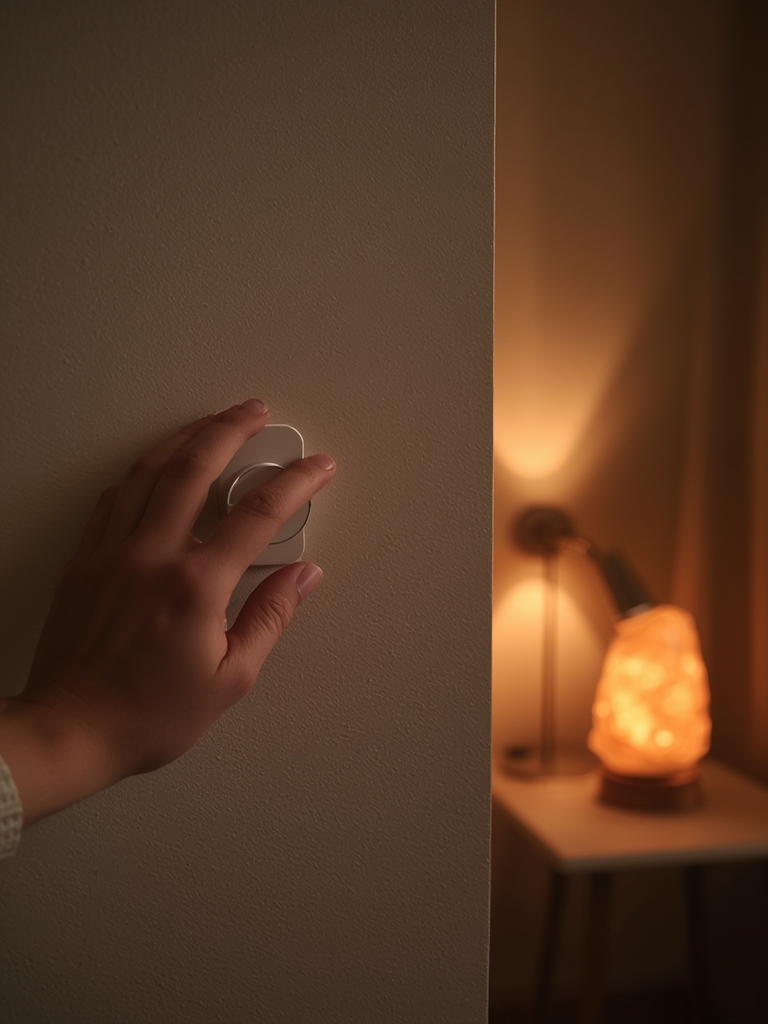
If you’re updating other areas for comfort and mood, see practical guides to creating a color drenched room or adding acoustic wall panels for a more peaceful sleep environment.
Advanced Analysis & Common Pitfalls
Despite the focus on wellness bedroom lighting in research and marketing, many users face real and repeat issues. Here’s what you need to watch out for—and what most articles miss.
Common User Pitfalls
-
Light is too cold, too bright, or not dimmable enough.
Most “warm white” lamps ship closer to 3000 K (still bluer than truly restful) and don’t dim low enough. Users expect a candle-like 2200 K with smooth zero-to-full range; most mass-market options fail here. -
Poor LED strip quality equals harsh glare and rapid failure.
Cheap strips rarely diffuse properly or stick long-term, often buzz, and provide inconsistent color at low brightness. Hidden costs include constantly re-mounting or full replacement if drivers die. -
Flicker, buzz, and eyestrain remain under-discussed—but very real.
Many consumer products exhibit unwanted PWM flicker (especially when dimmed), triggering headaches. In contrast, wellness-focused brands promote flicker-free drivers, aligning with user wishlists even though most online comparisons ignore this. -
“Pretty” setups may break circadian rules.
Most online inspiration uses string lights, multiple accent sources, or “glow” features—all can easily exceed healthy evening lux if left unchecked. This retains ambiance, but not sleep quality. -
Smart features create new headaches.
Complex app setups, unreliable routines, and data privacy worries are frequent pain points. Simpler controls (physical dimmer or switch) work better in practice for winding down. -
Lack of actionable numbers—no mention of real-world lux, spectrum, or health stats.
Most guides skip the need to measure (even roughly) what you’re actually getting at eye level, which is crucial for results. Experts suggest keeping evening bedroom settings under 10–20 lux.
Comparison Table:
Wellness LED Headboard Strips vs. Traditional Bedside Lamps
| Feature | Wellness LED Strips | Traditional Bedside Lamps |
|---|---|---|
| Adjustable Spectrum | Possible (with circadian recipes in mid to high end) | Usually fixed (depends on bulb) |
| Minimum Dim Level | Often very low (1-2%) | Varies (bulb + lamp combo) |
| Flicker-free Specs | Advertised in premium models | Rare (depends on bulb quality) |
| Lifespan (claimed) | 25,000–50,000 hours | 10,000–25,000 hours (bulbs) |
| Warranty | 1–3 years (up to 5 for pro) | 1 year typical (fixture); bulbs, 3–5 years |
| Serviceability | Usually non-repairable (whole system swap if failure) | Bulb easily replaced; lamp lasts longer |
| Smart Integration | Frequent (app, routines, voice) | Rare unless using smart bulbs |
| Price (2024, USD) | $15–$250+ (kit + controls) | $20–$400+ (wide range) |
Curious how this fits with other wellness and mood-forward upgrades? Discover how textured throw pillows and biophilic living room decor ease stress and create inviting, healthy spaces.
Conclusion
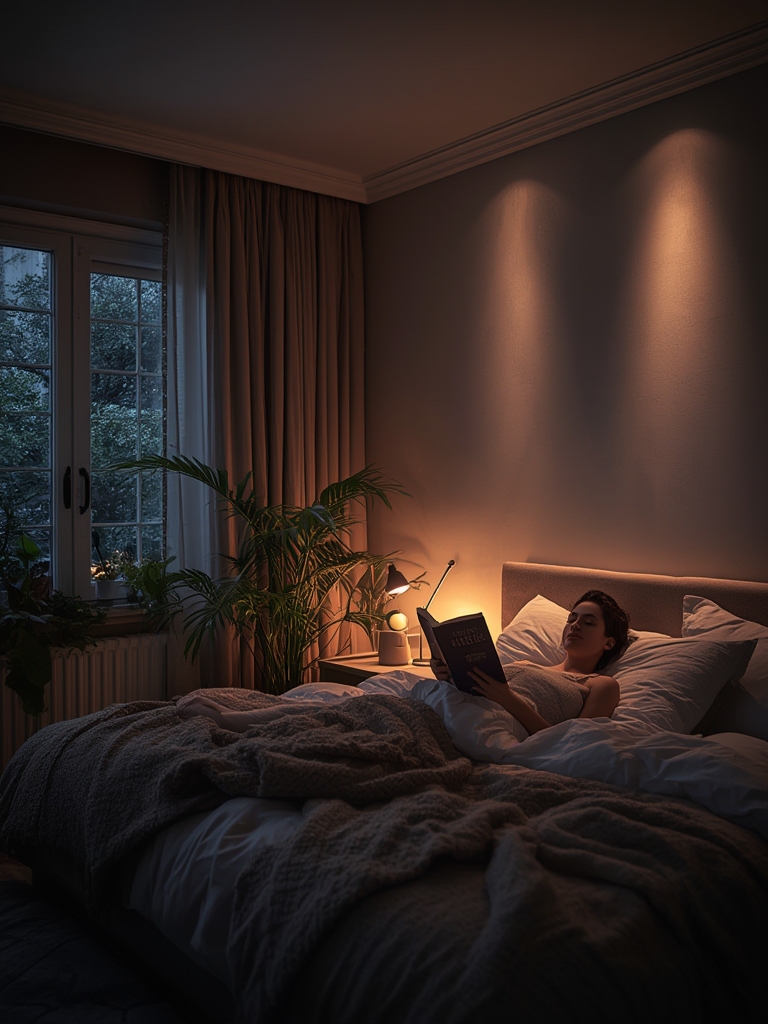
Setting up wellness bedroom lighting is more than picking a pretty lamp or strip light. Aim for wellness bedroom lighting setups that dim lower, stay warmer, and are truly aligned with how your body responds to light and dark. Look for smooth dimming, proven spectrum, and comfortable drivers—especially for night and pre-bed routines. Ready to upgrade? Start by testing current brightness, and don’t accept harsh, flickering, or always-on lights where you rest.
Want more room-by-room wellness upgrades? See our top tips on creating a sanctuary patio or try French cottage decor for calming vibes indoors. Your sleep and health are worth the intentional approach. Start your wellness bedroom transformation now.
FAQ
What’s the best color temperature for bedroom wellness lighting?
Aim for lights between 2200 and 2700 K for evenings and pre-bed. This range cuts blue wavelengths that disrupt melatonin. Some people go even warmer with amber or candlelight shades for reading before bed.
How low should bedroom lights be at night for healthy sleep?
Experts agree your bedroom should be under 10–20 lux at eye level during the hour before sleep. The dimmer and less blue-rich, the better. True darkness is best for actual sleep.
Is CRI (Color Rendering Index) important in wellness bedroom lighting?
CRI affects how pleasant colors look—higher (90+) is best for visual comfort. However, CRI doesn’t guarantee low blue light or circadian-friendliness. Always check spectrum and dimming, too.
Are smart lights worth it for bedroom wellness?
Smart lights make it easier to automate evening wind-down and morning wakeup routines. But choose models with real low-blue capability, flicker-free drivers, and easy physical controls—many “app-only” setups frustrate users.
Can I use LED strips behind my headboard for wellness lighting?
Yes, but only if they’re warm, dim well, and avoid flicker. Mount them out of your line of sight and opt for higher-end, wellness-styled strips for consistent color and lifespan.
