
Textured wallpaper 2025 is shaping the design landscape for living rooms, combining enhanced durability, tactile interest, and sustainable features. Whether you’re renovating or decorating a new home, understanding market shifts, common pitfalls, material differences, and realistic costs will help you avoid expensive mistakes and create a living space that stands out for all the right reasons.
Key Takeaways
- Textured wallpaper 2025 trends favor eco-friendly, vinyl and nonwoven materials with subtle, natural-looking relief for residential living rooms.
- Real-world issues like seam visibility, cleaning difficulty, adhesion problems, and higher price for true 3D/fabric textures are often overlooked—planning is essential.
- DIY can lower project costs significantly, but substrate prep, lighting interaction, and long-term removal should guide your product choice and installation method.
- What Is Textured Wallpaper 2025 and Why It Matters
- Step-by-Step Guide to Planning and Choosing Textured Living Room Wallpaper
- Advanced Analysis & Common Pitfalls
- Conclusion
- Frequently Asked Questions
What Is Textured Wallpaper 2025 and Why It Matters
Textured wallpaper 2025 refers to the latest generation of wallcoverings designed to add depth and tactile interest, with a focus on living room applications. This year, the industry is driven by market growth (valued at over $1.9 billion globally), with textured finishes and living room use leading the charge. The materials most in demand include durable vinyl-based and rapidly growing nonwoven wallpapers, often benefiting from digital printing and custom design. Sustainability is nonnegotiable—low-VOC, recycled, and PVC-free wallcoverings are standard in premium lines.
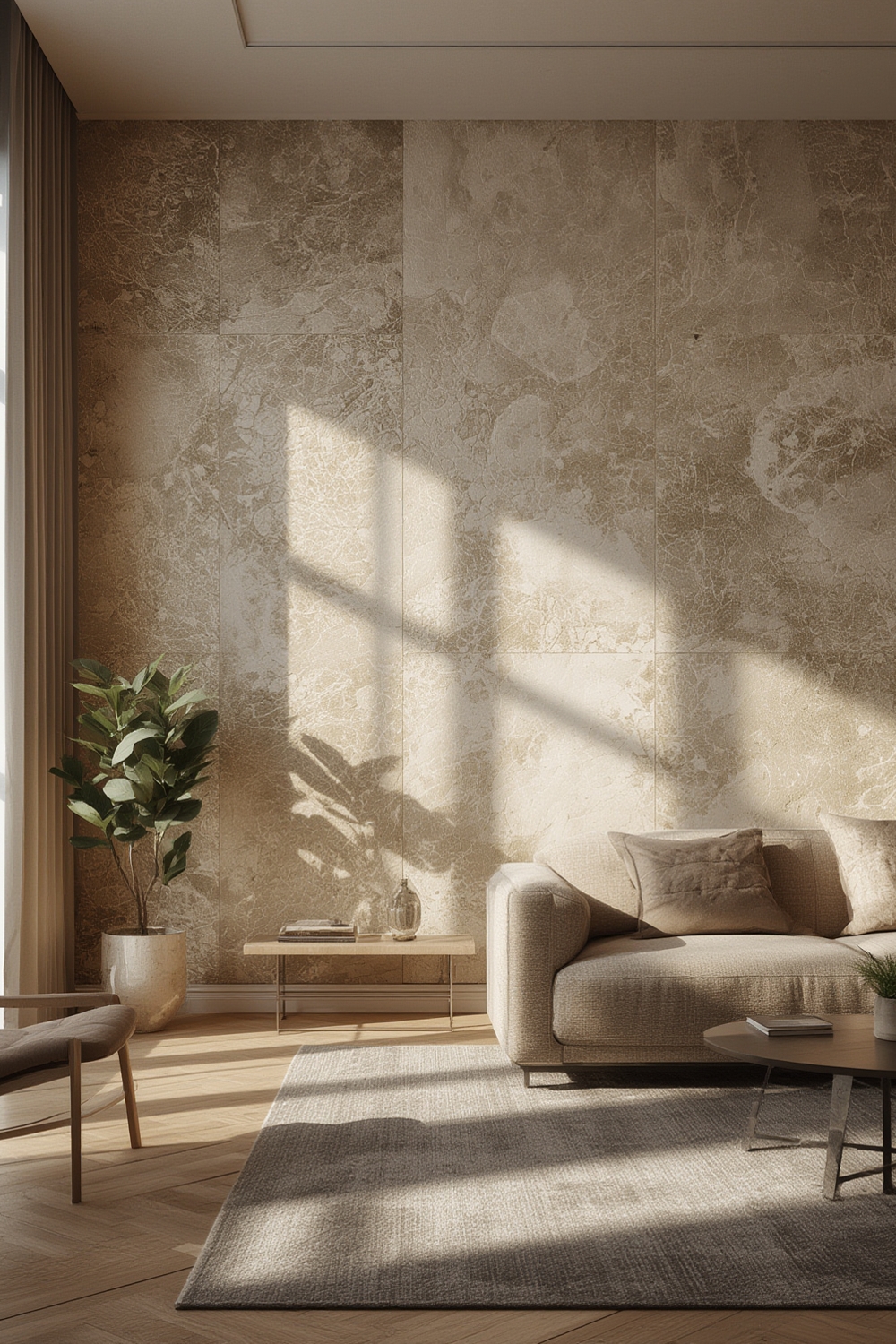
Textured wallcoverings improve on paint and flat wallpaper by hiding wall imperfections, softening acoustics, and anchoring focal points in both small and large living rooms. However, they also introduce new challenges, including seam alignment, cleaning demands, price, and removal effort. With the shift toward eco-aware choices, homeowners today want options that deliver on style and health.
Step-by-Step Guide to Planning and Choosing Textured Living Room Wallpaper
Getting great results with textured wallpaper in 2025 requires more than picking a nice sample. Here’s how to avoid headaches and make your investment count:
- Assess your living room conditions.
- Is your wall perfectly smooth or textured (e.g., orange peel, knockdown)? For pronounced wall texture, budget time/cost for lining paper—crucial for heavy 3D, fabric, or grasscloth types.
- Identify high-traffic zones, areas behind sofas, or locations by windows and radiators. These may demand more durable or easy-clean materials like vinyl.
- Determine your design goal and vibe.
- Need an eye-catching accent wall? Go for subtle architectural textures, ribbed fluted panels, or tone-on-tone geometrics (think modern fluted verticals or soft concrete looks).
- Want the space to feel cozy? Look to textile-inspired nonwovens, linen/bouclé visuals, or organic grasscloth styles. This pairs well with striped area rugs for on-trend layering.
- Choose material type: weigh looks, cleanability, and cost.
- Vinyl or nonwoven — Washable, less likely to absorb stains, most DIY/living-room-friendly, and the best value for performance in moderate budgets.
- Fabric, grasscloth, or linen — More expensive, only lightly cleanable, great visually but less durable for busy homes.
- 3D/foam/rigid panels — Highest impact, but more prone to denting and cleaning hassles; best for low-traffic feature walls or media walls.
- Peel-and-stick — Budget/rental-friendly; easier to apply and remove (if your walls are in good shape), but typically offers less pronounced relief.
- Budget realistically for materials and installation.
- Average mid-market roll (25-50 sq ft): $25-$70 vinyl/nonwoven, $80+ fabric, $20-$60 3D panel pack, $25-$60 peel-and-stick.
- Accent wall: Usually $100-$350 for vinyl/nonwoven; $300-800+ for fabric; DIY saves ~40-60% but requires proper tools and patience.
- For a complete guide to installing temporary decor, see rental-friendly decorating ideas.
- Plan lighting and furniture layout with texture in mind.
- Test samples under your living room’s usual lighting—wall washers can exaggerate seams or substrate flaws under deep textures, while side light from windows highlights relief.
- Avoid large-scale 3D geometrics on walls opposite TV screens—these surfaces may cause visual distraction or glare.
- Coordinate with bold sofas or patterned rugs (like blue striped rug styles) to avoid a clashing focal point.
- Decide on DIY or professional install.
- Simple accent walls in nonwoven or pre-pasted vinyl are realistic DIY for patient beginners (especially with high-quality lining paper and a fresh blade).
- Fabric, grasscloth, heavy 3D, or full-room installs with pattern-matching nearly always benefit from hiring a pro.
- Check technical and safety specs.
- For rooms with fireplaces, verify Class A or Euroclass fire rating.
- Chemical-sensitive households: confirm low-VOC or eco-label certifications.
- Frequent redecorators or renters: favor removable, nonwoven or peel-and-stick wallpapers designed for easier removal.
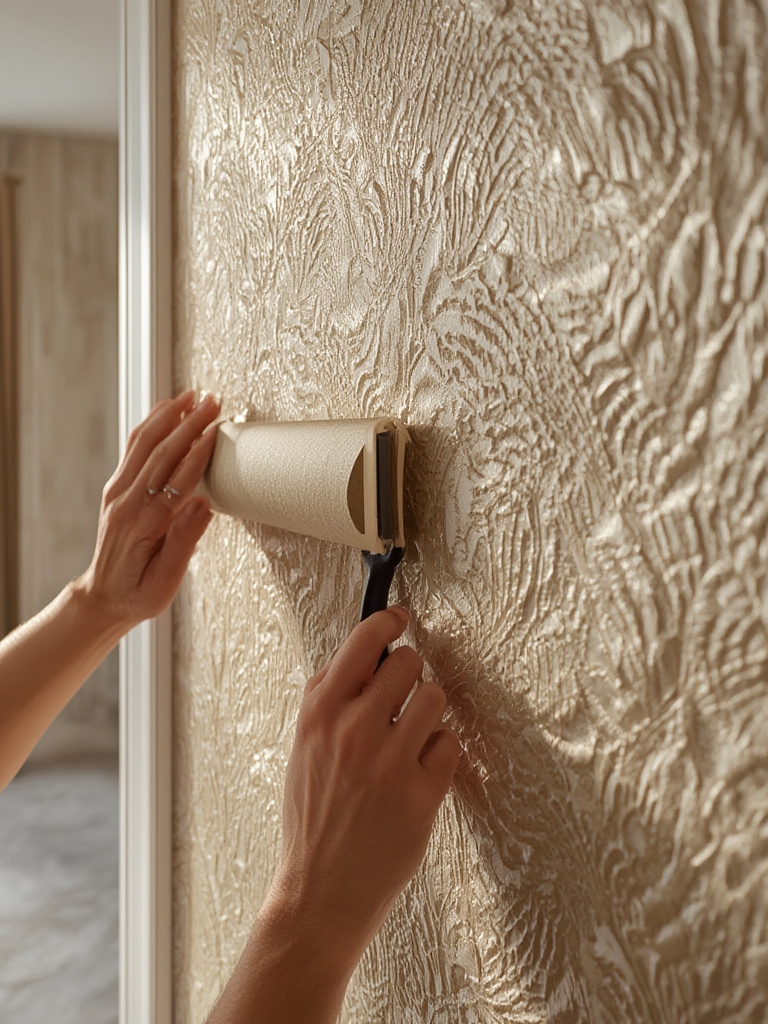
Follow these methodical steps to avoid the most common time, money, and design pitfalls in 2025. For renters specifically, check out advice on small-space renter-friendly design and flexible living room layouts.
Advanced Analysis & Common Pitfalls
Despite attractive marketing, textured wallpaper brings specific challenges. Here are the most frequent pitfalls—and how they compare by material type:
| Wallcovering Type | Common Problems | Best Use Case | Removal Difficulty |
|---|---|---|---|
| 3D Textured Vinyl or Foam Panels | Visible seams; hard-to-clean grooves; risk of dents/crushing; artificial “plastic” look under some lighting; adhesion issues on rough walls; may damage drywall when removed | Feature/accent wall away from kids or pets; smooth, well-primed surfaces | High (especially after several years) |
| Fabric/Grasscloth | Stains easily; absorbs odors; visible color/shade variation; can fray or curl at edges; expensive vs. durability | Formal or low-traffic living rooms; decorative focus | Very High (often leaves adhesive; sometimes requires professional removal) |
| Vinyl or Nonwoven | Seam visibility increases with deeper texture; may trap dust/pet hair; pattern shift under strong light; cleaning takes effort on heavy emboss; cheap options may scuff | Most living rooms; families with kids/pets | Moderate (easy if installed on primed surfaces with strippable paste) |
| Peel-and-stick (Removable) | Adhesion failure on matte/low-VOC paints; bubbles/wrinkles when repositioned; limited real texture; paint can peel off older walls at removal | Rentals & short-term decor; smooth painted surfaces | Low to Moderate (depends on paint and surface; inconsistent) |
- Seams and Pattern Matching: Deep 3D textures highlight installation errors. On longer walls, even small misalignments are obvious. Budget for pro install if symmetry is critical.
- Lighting Exposure: Direct sunlight or strong wall-washer LEDs can exaggerate texture “flaws”, make seams pop, or create glare.
- Hard to Clean: Dust, food, or handprints embed in grooves—plan to use a soft vacuum brush regularly, not just a cloth. This is true for vinyl and fabric wallcoverings alike.
- Adhesion Surprises: Peel-and-stick, in particular, often fails on new low-VOC paints—edges can lift after weeks, especially near heat or humidity (by TVs or windows).
- Long-Term Cost: Material prices range widely, from $25/roll up to $200+ for fabric. Labor for complex installs (skim-coating, lining paper, pattern-matching) often exceeds the paper cost. Rushed or poorly prepped installs cost more in damage or do-overs.
- Removal Mess: On unprimed or older drywall, removing heavy vinyl or “removable” papers can destroy wall surfaces—this is a frequent renter complaint. If you redecorate often, prioritize true nonwoven or pre-pasted papers marketed as fully strippable.
Maintenance expectations are often unrealistic. For example, while vinyl claims “washability,” heavy structures trap grease and dust—families with open kitchens or pets must plan on frequent vacuuming and periodic deeper cleans. If easy removal is key, stick to trusted peel-and-stick brands and prep the wall with a high-sheen, well-cured paint.
Conclusion
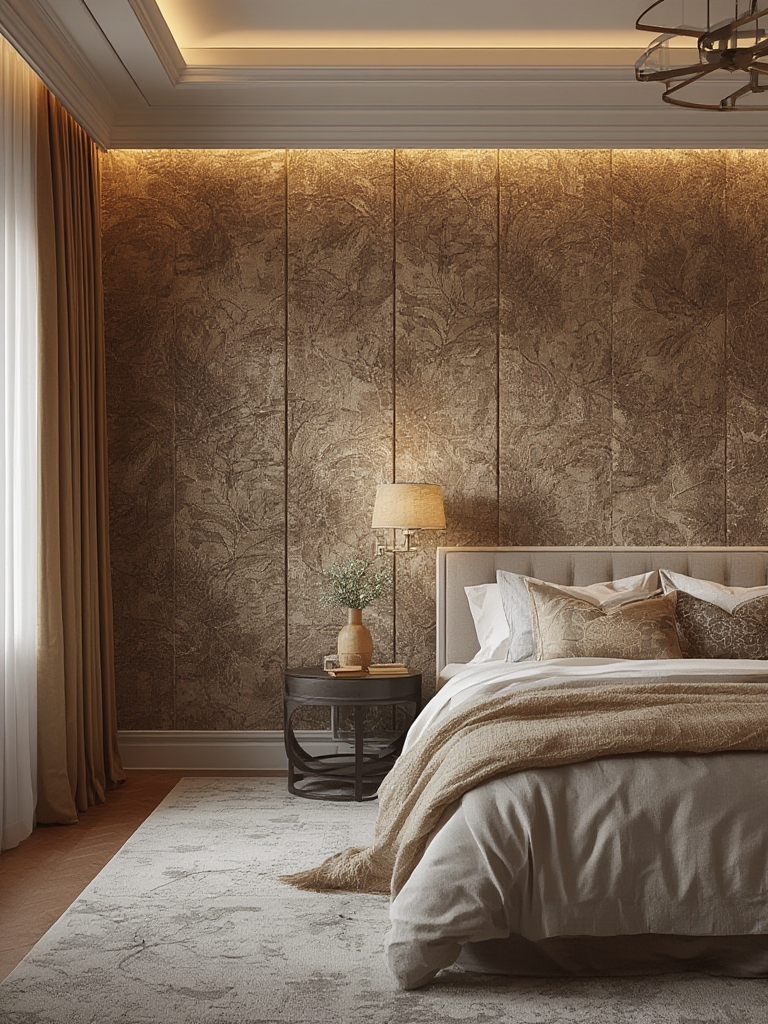
Textured wallpaper 2025 offers a fresh way to bring dimension, depth, and natural comfort to living rooms—if you choose wisely. Understand market trends, anticipate pitfalls, match materials to your home’s realities, and don’t underestimate installation challenges. For renters and frequent redecorators, temporary and removable wall decor styles lower risk and cost. Above all, always get a sample, prep your surfaces, and design with real-life cleaning and removal in mind. Ready to transform your living space? Shop, sample, and plan using these guidelines—your ideal living room with textured wallpaper 2025 is closer than you think.
Frequently Asked Questions
What is the best material for textured wallpaper in a high-traffic living room?
Vinyl-based or nonwoven textured wallpapers are your best bet. They resist scuffs, stains, and can be washed gently—making them suitable for busy households, kids, or pets. Avoid fabric and grasscloth in these zones unless the room is low-traffic and adults only.
Does textured wallpaper hide wall imperfections?
Light and medium textures can help mask minor flaws, but heavy 3D or embossed wallpapers may actually exaggerate large uneven spots or seams—especially in strong lighting. Skim-coating or using lining paper is recommended for best results on rough walls.
Can I use peel-and-stick textured wallpaper in a rental?
Peel-and-stick wallcoverings are designed for removability and are often a smart choice for rentals. However, they don’t always stick well to matte or low-VOC paints and may lift your paint on removal if the wall was not properly prepped. Always test on a small area before committing to a full install.
How do you clean textured or 3D wallpaper?
For vinyl and nonwoven, use a soft vacuum brush for grooves and a damp sponge for surface spots. Avoid harsh scrubbing, especially with printed peel-and-stick types. Fabric wallpapers are best vacuumed lightly and spot-cleaned only if labeled as safe to do so.
Is textured wallpaper more expensive than traditional wallpaper?
Generally, yes. Textured or 3D wallcoverings cost more per roll than flat paper, with fabric and designer grasscloth among the most expensive. Installation costs are also higher, especially if substrates need prepping or you hire a pro for precision pattern matching.

[…] additional character, complement the look with striped area rugs or add dimension using textured wallpaper on an accent wall or […]
[…] and tension-rod shelving offer instant green walls without risk. Use a striped area rug or a peel and stick textured wallpaper to introduce further biophilic layers while keeping the look […]
[…] soft, nubby look; chunky knits add extra depth and visual interest. Need more inspiration? See our textured wallpaper trends for pairing ideas with walls and […]
[…] right feel in apartments. Focus on a few key textures and avoid over-decorating. Modular decor like peel-and-stick wallpaper or layered lighting boosts impact without […]
[…] solution-dyed outdoor fabrics to prevent fading and mildew. Add an outdoor-safe textured accent wall or vertical garden to inject […]
[…] you want a cohesive, nature-inspired living room, combine moss decor with striped area rugs, textured wallpaper, and other biophilic living room decor ideas for a layered, wellness-oriented […]
[…] renters or those wanting less permanent transformation, consider layering acoustic wall panels with textured wallpapers or feature soft textiles like striped area rugs to further reduce harsh sound reflections. Both […]
[…] to quickly refresh a space, similar wellness principles apply when selecting striped area rugs or textured wallpaper: the goal is comfort and functionality, without sacrificing health or […]
[…] renters or those updating seasonally, look into peel-and-stick abstract wall decals, or explore textured wallpaper for easy, dramatic backdrop changes. Decorative acoustic panels (learn more) can pull double-duty […]