
Updated: June 2024
When it comes to creating a quiet and comfortable living space, acoustic wall panels home installs get top billing. Homeowners are searching for smart noise reduction and better sound quality, but the results depend on panel type, placement, and expectations. This guide cuts through market hype using direct 2024 data and real-world advice for living rooms, bedrooms, and home offices.
Key Takeaways
- For home use, panels work best for echo reduction and clearer conversations—but do not fully block outside noise.
- Most homeowners see the biggest benefit by treating 15–30% of wall area with panels that have NRC ≥ 0.8 and at least 25 mm thickness.
- Eco-friendly, low-VOC panel options now dominate the fastest-growing segment of the market for 2024.
- What Are Acoustic Wall Panels for Home—and Why Use Them?
- Step-by-Step Guide: Choosing and Installing Acoustic Wall Panels
- Advanced Analysis & Common Pitfalls
- Conclusion
- FAQ
What Are Acoustic Wall Panels for Home—and Why Use Them?
Acoustic wall panels designed for the home absorb sound waves to reduce echo (reverberation) and improve speech clarity in rooms. Unlike soundproofing materials that block noise transmission through walls, these panels mainly address issues like harsh echo, flutter echo, and muddled conversations in living spaces or home offices.”
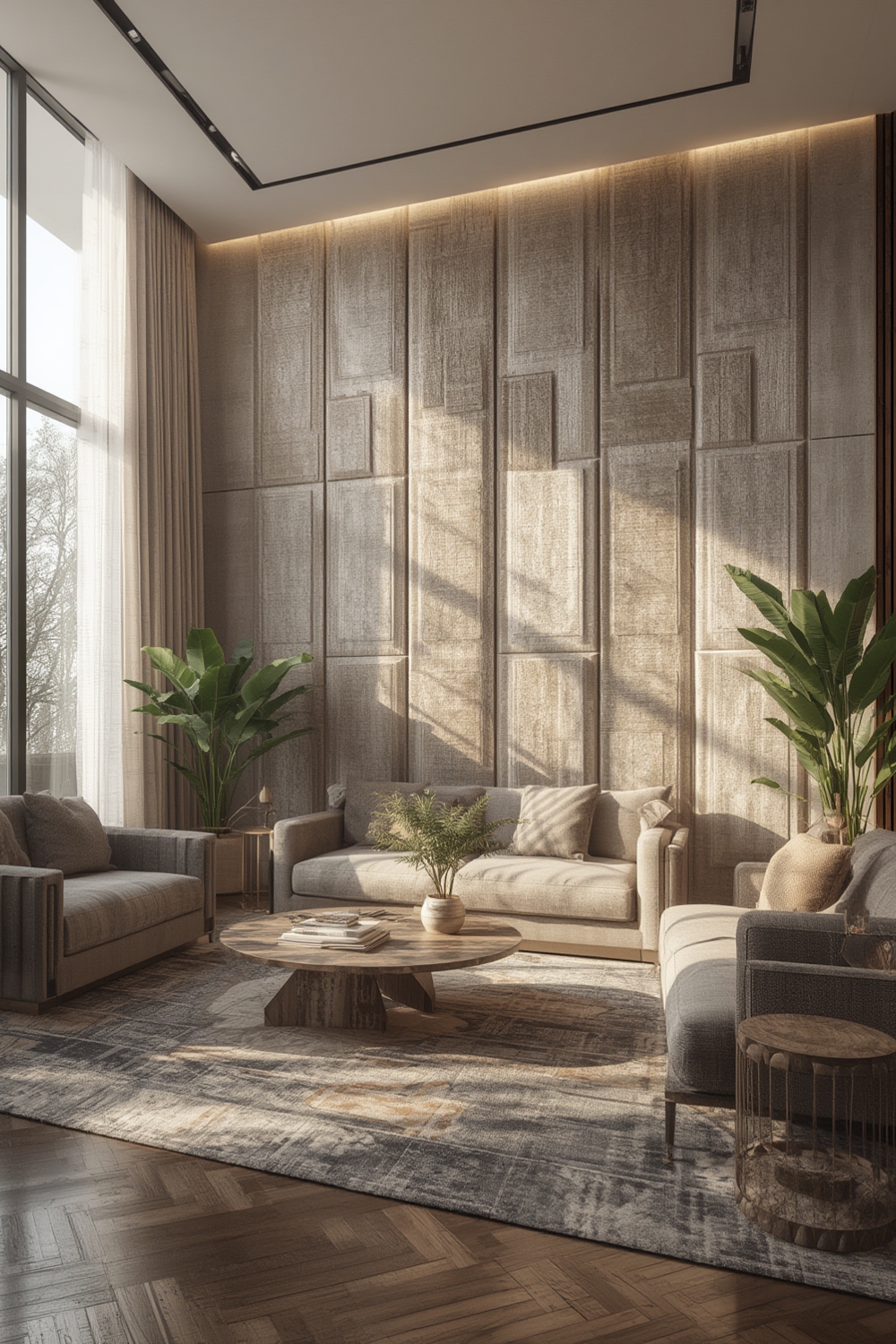
Panels are made of absorptive materials: polyester fiber (PET), mineral wool, foam, or a combination, with surfaces that are fabric-wrapped, wood-slat, or decorated as wall art. 2024 market data shows:
- Properly installed, high-quality panels (NRC 0.8+) can drop room echo (RT60 time) by 30–60% when covering 15–25% of wall area[source].
- Panels do not block traffic or neighbor noise; they make the room quieter inside but do not provide full isolation. Confusion here causes most dissatisfaction.
- The 2024 residential market is the fastest-growing segment for acoustic panel sales, thanks to the push for healthy, comfortable, and sustainable interiors[source].
Acoustic panels are ideal for:
- Open-plan living rooms with echoes
- Home offices where call clarity is important
- Bedrooms needing a “softer” acoustic feel for relaxation
- Media rooms aiming for improved audio (not full sound isolation)
Step-by-Step Guide: Choosing and Installing Acoustic Wall Panels
-
Identify Your Sound Problems
- Do you want to reduce echo for speech/music clarity—or block outside noise? Most home acoustic wall panels are for absorption only.
- Test with a hand clap or by playing music; excessive echo means absorption is needed.
-
Measure and Plan Panel Coverage
- For a typical living room (12×16 ft): targeting 15–30% of wall area gives noticeable results.
- In a home office, 4–8 standard-sized panels (2×4 ft, 25–50 mm thick) often suffice.
- Focus on areas opposite main sound sources, and at “first reflection” points for desks or seating.
-
Choose Panel Type and Material
- Fabric-wrapped (mineral wool or PET core): Best absorption (NRC 0.7–0.95), available in many styles.
- wood slat acoustic panels (PET or mineral wool backing): High-impact, architectural look, comparable acoustic absorption (NRC 0.55–0.95).
- Wall art panels: Best for light echo in small spaces; check thickness and NRC values.
- Look for panels tested to be Class A fire-rated and low-VOC or formaldehyde-free for healthy indoor air.
-
Prepare Tools and Surface
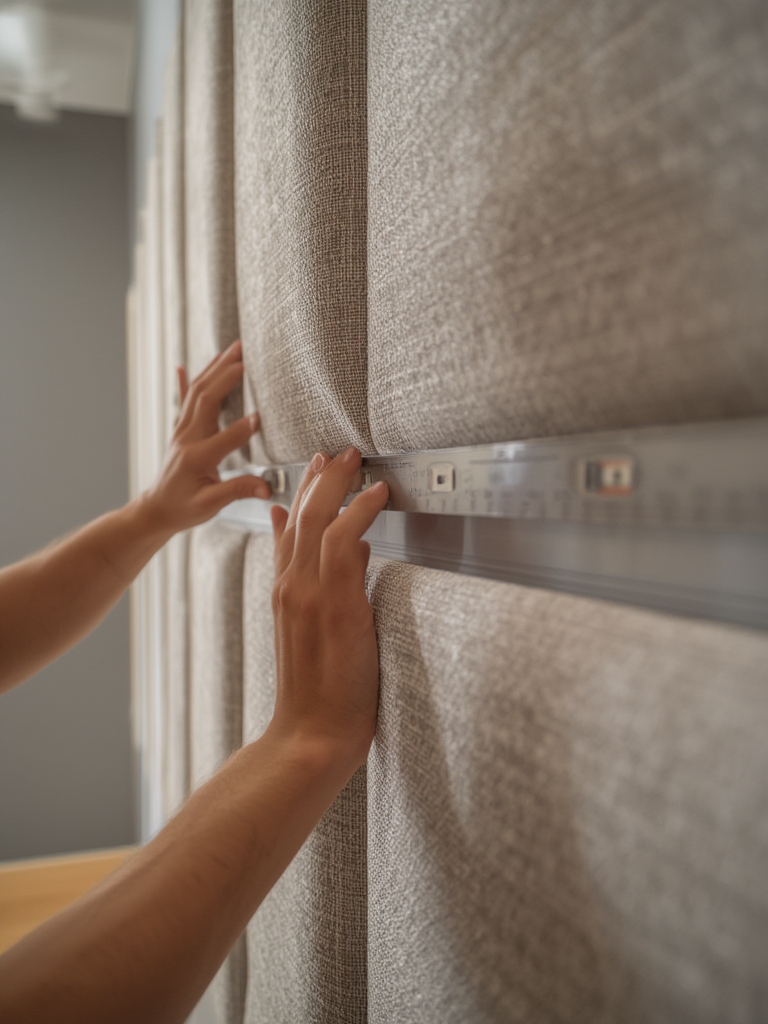
- For rental-friendly install: use adhesive strips (but beware wall damage on removal), or opt for Z-clips/french cleats for heavier panels.
- Measure and mark locations. Panels look best when symmetrically placed and covers outlets/switches must be cut carefully.
-
Install Panels (DIY or Pro)
- Adhesive or mechanical (Z-clip, screws) mounting: use mechanical fixings for heavy or wood-slat panels.
- Optional: Create a 20–50 mm airgap behind panels using thin battens for improved bass/mid absorption.
-
Maintain for Longevity
- Vacuum fabric panels with a brush attachment quarterly.
- Dust wood slats with a microfiber cloth—avoid wet cleaning. Rotate or swap out panels exposed to direct sun.
For renters or those wanting less permanent transformation, consider layering acoustic wall panels with textured wallpapers or feature soft textiles like striped area rugs to further reduce harsh sound reflections. Both pair naturally with acoustic treatments and add design value.
Advanced Analysis & Common Pitfalls
Most homeowner complaints about acoustic wall panels stem from three issues: wrong expectations (absorption vs. isolation), poor coverage or placement, and product quality (both performance and aesthetics).
| Type | Typical Construction | Performance (Home Use) | Aesthetics | Maintenance |
|---|---|---|---|---|
| Wood slat acoustic panels | Wood or wood-veneer slats on acoustic backing (PET felt or mineral wool), 20–40 mm thick | With acoustic backing and airgap: NRC ~0.55–0.95 (good broadband absorption, especially mid frequencies). Effective for echo/speech clarity; still limited for low-frequency soundproofing. [source] |
Warm, architectural feature wall look; popular in living rooms and offices; visually hides backing; can run floor-to-ceiling. | Slat grooves collect dust; requires regular dusting. Wood veneer can scratch; avoid harsh cleaners. |
| Fabric acoustic panels | Rigid acoustic core (mineral wool, fiberglass, or polyester) wrapped in decorative fabric | Thicker panels (25–50 mm) NRC 0.70–0.95, excellent for speech/high frequencies. [source] |
Wide range of fabrics/colors. Can look like art or soft wall panels; cheap options may seem “office-like.” | Fabric collects dust, stains, and may fade; vacuumable; some washable covers. Corners vulnerable to damage. |
| Sound-absorbing wall art | Printed fabric or canvas over thin acoustic layer or PET core | Performance highly variable: thin/fully glued art NRC ~0.3–0.6; thicker framed (25–40 mm) can reach higher NRC but often sacrifice thickness for design. Best for minimal look/light echo. | Visual appeal; disguised as regular art. | As with fabric decor: dusting/gentle cleaning. Printed surfaces may scratch; UV can fade prints. |
Typical pitfalls and how to address them:
- Mistaking absorption for isolation: Panels reduce echo but will not “block outside noise” street or neighbor noise—true sound isolation needs mass (drywall/doors).
- Too little coverage or thickness: Thin 10–15 mm decorative panels or spacing panels too far apart leads to frustration (“can’t tell the difference”). Stick with panels 25–50 mm thick and treat a meaningful area.
- DIY install challenges: Adhesive-only installs can damage walls or fail if surfaces aren’t clean; heavy panels may pull out of drywall.
- Color/finish mismatch or “commercial” look: Not all panels have high-quality finishes—samples help.
- Maintenance/durability: Dust and sunlight exposure cause fabric fading and slat scratching—plan for upkeep, especially in living areas.
- Health/IAQ: Low-cost panels sometimes emit VOCs or formaldehyde; always check for green certifications or third-party emissions claims—especially for bedrooms.
For renters and design-focused users, explore visually engaging/biophilic panel choices like moss wall art panels or add texture through chunky knit throw pillows for a softer sound and look with minimal install risk.
Conclusion
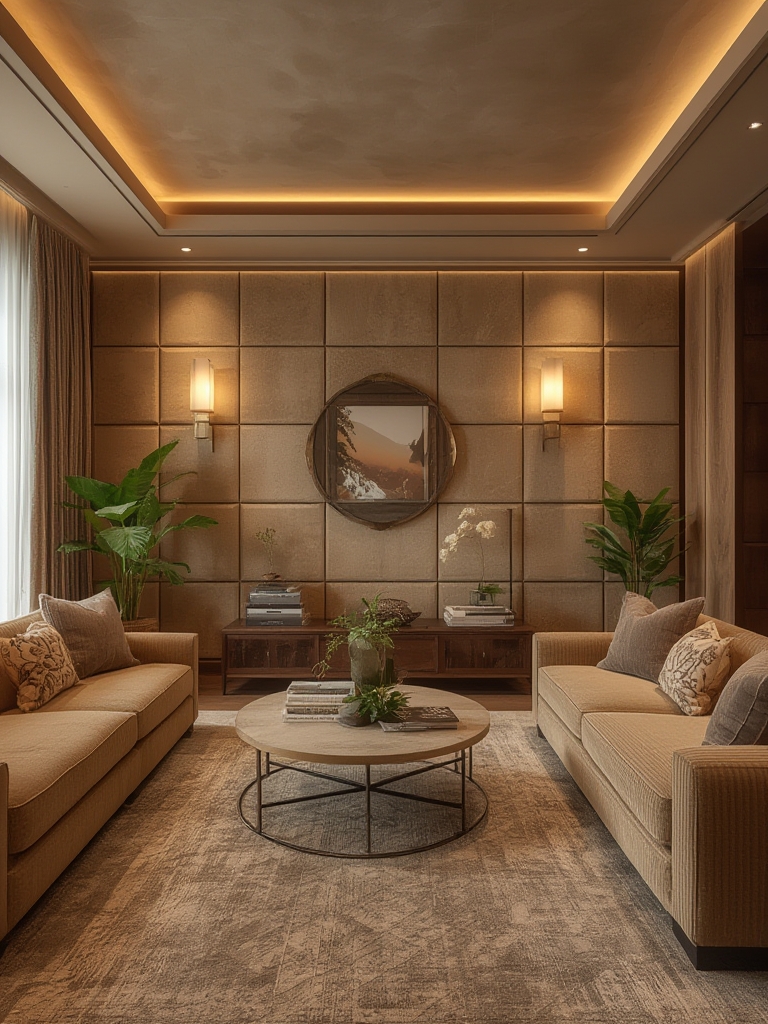
Acoustic wall panels are a practical solution for making home offices, living rooms, and bedrooms more comfortable and less noisy, provided they are chosen and placed thoughtfully. Panels with NRC ratings of 0.8 or higher, installed to cover 15–30% of wall area, will absorb echoes and help voices sound clearer. However, they are not a substitute for soundproofing construction. As of 2024, eco-friendly and low-emission options are widely available—for best results, always check fire safety and emission certifications.
Ready to improve your space? Start by assessing your room, selecting acoustic wall panels home products with clear performance specs, and planning your install for comfort and style. Explore our French cottage decor ideas for creative ways to blend acoustic panels with art and design, or check out biophilic living room decor for additional wellness inspiration.
FAQ
Do acoustic wall panels home solutions block noise from outside?
No, they mainly reduce echo and make inside sound clearer. To block outside noise completely, you need added drywall, sealed doors/windows, or specialized soundproofing products.
How much wall area should I cover for best results?
Aim for 15–30% of wall surface in most living rooms or home offices. Spreading panels too thin reduces their effectiveness. Focus coverage around desks, seating, or noisy reflection points.
Are PET fiber panels safe for indoor air quality in 2024?
Yes, most quality PET fiber panels are low-VOC and often made with recycled material. Still, check for formaldehyde-free/GreenGuard certification—especially if you have kids, pets, or sensitive health needs.
Can I install acoustic panels myself, or do I need a pro?
Many products are DIY-friendly with adhesive strips or Z-clips. For heavy wood-slat panels, or large feature walls, consider professional install to ensure safety and a neat finish.
How do I combine acoustic wall panels with home decor trends?
Pair panels with textured wallpaper, striped rugs, or color-drenched walls to create both acoustically and visually comfortable rooms.

[…] or explore textured wallpaper for easy, dramatic backdrop changes. Decorative acoustic panels (learn more) can pull double-duty as modern art and sound dampening for open-plan […]
[…] technical side-by-side comparison of modern wall art solutions and ease of installation, read about modern acoustic wall panels for homes—useful if you’re balancing style with […]