
French cottage decor blends rustic warmth, elegance, and everyday livability, making it one of 2024’s most sought-after home style trends. This look draws on real French farmhouse heritage, not clichés—think soft sun-washed colors, floral ceramics, and authentic textures for a cozy, layered feel grounded in real homes, not showrooms.
Key Takeaways
- French cottage decor relies on authentic materials, muted palettes, and curated vintage pieces for a warm, refined yet relaxed ambiance.
- Balancing authenticity with practicality and budget is key—splurge on a few true vintage accents, but use quality modern items for support.
- Common mistakes include cliché over-theming, poor-quality reproductions, color confusion, and maintenance oversights—know what’s truly “French” before you buy.
- The Core Concept: What Makes French Cottage Decor Distinctive?
- Step-by-Step Guide: How to Achieve the French Cottage Look
- Advanced Analysis & Common Pitfalls
- Conclusion
- FAQ
The Core Concept: What Makes French Cottage Decor Distinctive?
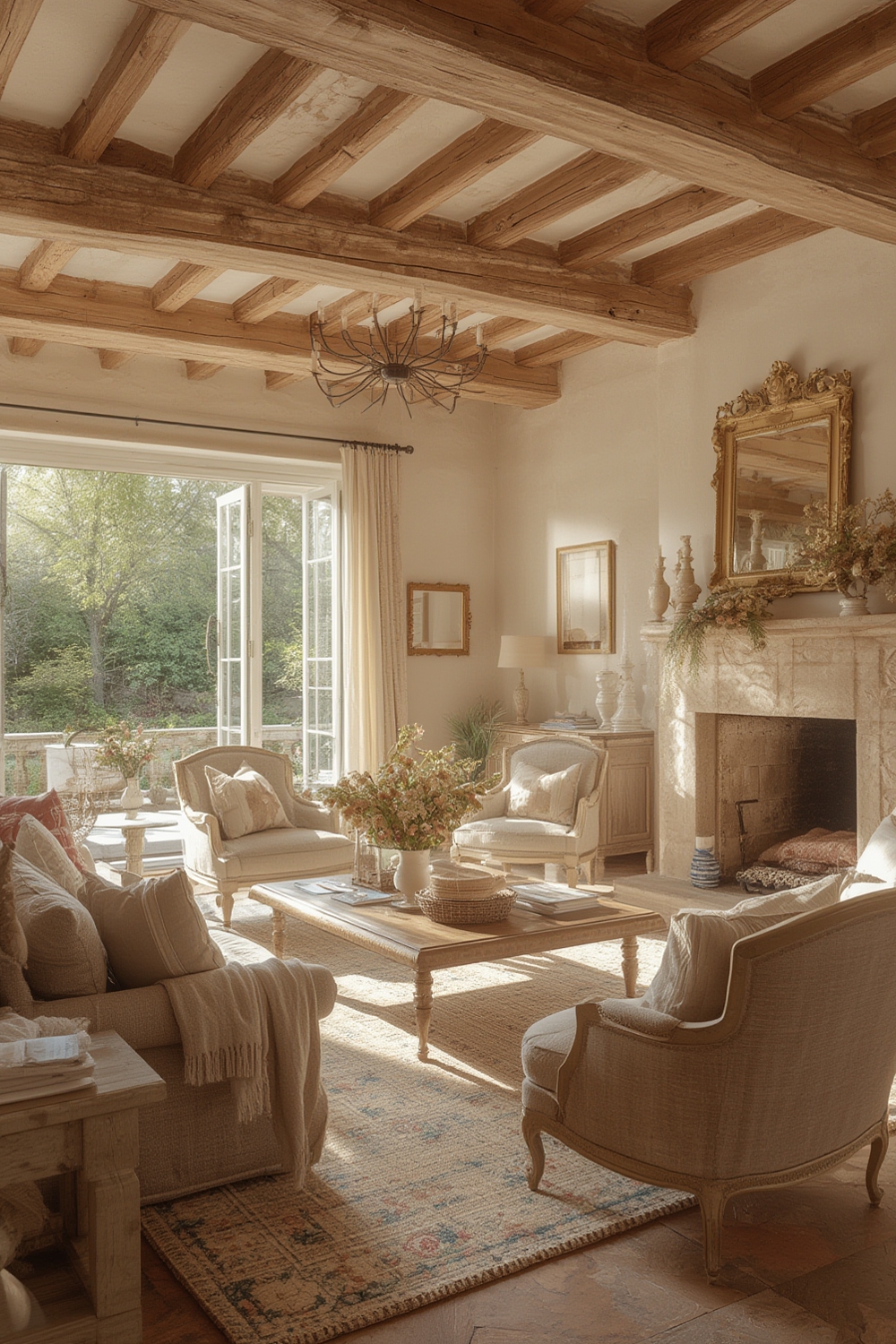
French cottage decor is defined by its balance of rustic life and subtle refinement. Unlike generic “rustic” or “shabby chic,” authentic French cottage interiors are rooted in rural regions such as Provence, Normandy, and the Loire. Materials like stone, plaster, old wood, and timeworn terracotta set the scene. Furniture lines are softened by the influence of historic French design, often blending pieces handed down or salvaged with lived-in finishes. Muted, sun-faded colors—warm whites, pale blues, dusty greens—dominate walls and textiles, while floral patterns, toile, and hand-embroidered linens add gentle pattern. Essential elements include French faïence ceramics, copper kitchenware, embroidered linen, and baskets—displayed openly as part of daily life. The style is romantic, but avoids pastiche. Instead, it’s assembled over time, grounded in utility and heritage craft.
Step-by-Step Guide: How to Achieve the French Cottage Look
1. Start with the Right Palette
Select wall and textile colors that feel “washed by the sun”: creamy white, pale linen, soft stone, blush, faded blue, sage, muted ochre. Avoid stark white, cold gray, or loud brights—true French cottage colors look gentle and time-softened.
2. Layer Natural Materials
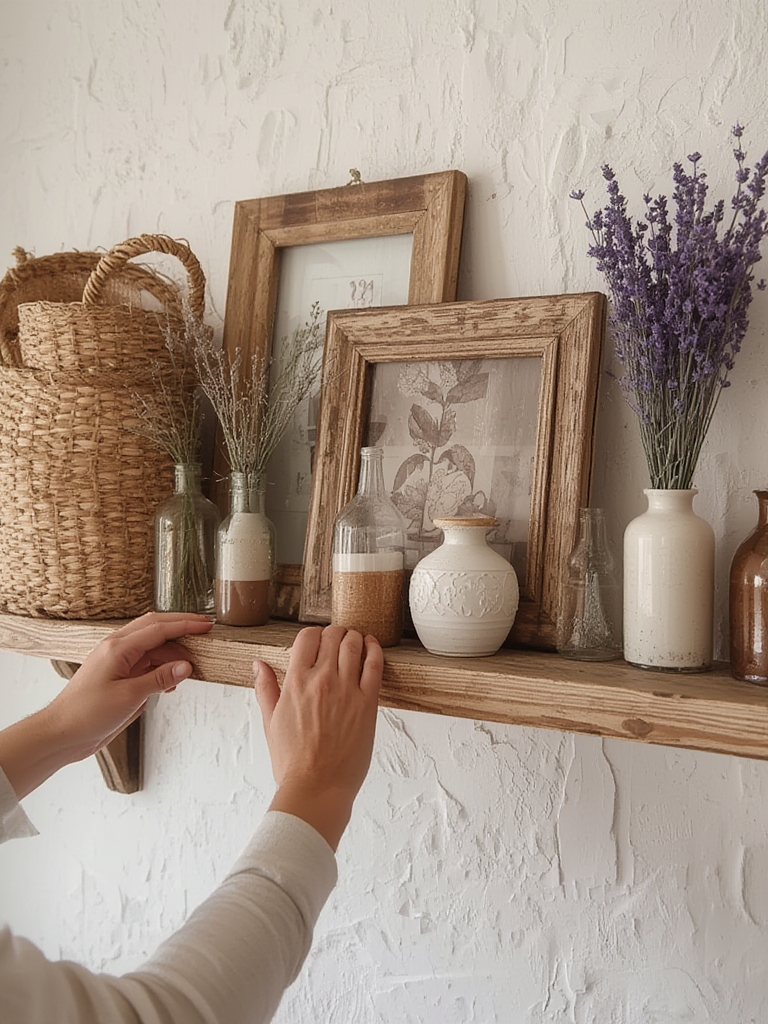
Use linen and cotton for curtains, napkins, tablecloths, and pillows. Add texture with baskets, rustic wood, and stone. Choose a mix of smooth (polished copper, porcelain) and worn (distressed woods, unfussy ceramics) finishes for dimension.
3. Invest in Key Authentic Pieces
Source one or two items with genuine patina—think an antique mirror, faïence platter, vintage linen towel, or real copper pot. These become “anchor” pieces, elevating mainstream items with real character.
4. Curate Ceramics Thoughtfully
Select a small collection of vintage floral dishes, pitchers, and bowls. French faïence (like Quimper, Gien, or Moustiers) and old Limoges porcelain stand out for their artistry. Mix patterns carefully: pair one bold floral with subtle stripes, checks, or plain pieces.
5. Add Comfort with Textiles
Layer embroidered linen tablecloths, monogrammed napkins, and a few textured throw pillows to create a room that invites use, not just admiration. Stick to a restrained palette to keep the effect cohesive.
6. Mix Old and New, Sparingly
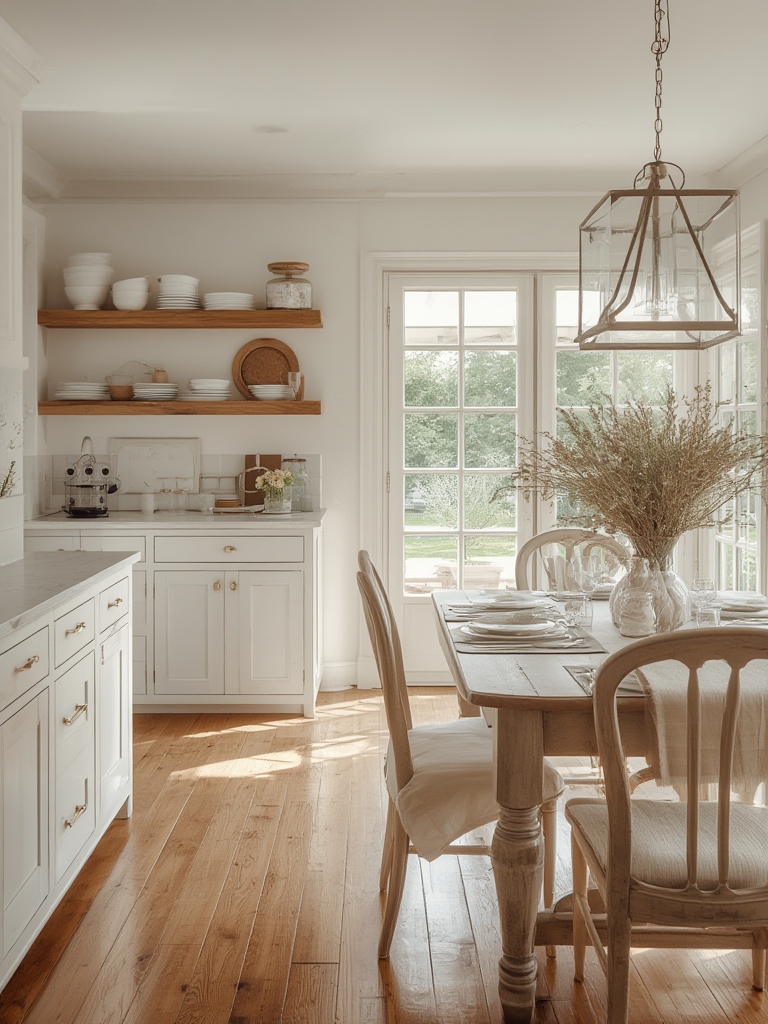
Pair a vintage striped area rug or woven runner with modern seating or cabinetry. Avoid crowding with too many decorative accents—true French cottages favor open space and practical surfaces.
7. Bring the Garden In
Display wildflowers in old pitchers, grow soft herbs on the sill, or introduce biophilic touches with natural materials. For small-city apartments, add greenery with easy-care biophilic decor ideas or a small indoor garden corner.
8. Work with What You Have
If you rent or have modern architecture, focus on movable textiles, ceramics, and lighting. Try rental-friendly options like color-drenched paint (for maximum ambiance in small doses) and flexible accessories like moss wall art or removable wall panels.
Advanced Analysis & Common Pitfalls
Price Realities: What Does It Cost in 2024?
Furnishing an average kitchen/dining space to true French cottage standards in 2024 means:
- Budget (“look” only): US$500–900 (reproductions, select second-hand pieces)
- Mid-range (mix of real and new): US$1,200–2,500 (vintage copper cookware, embroidered linens, some faïence, quality stoneware)
- High/Collector (real French antiques, rare ceramics, brand textiles): US$3,000–5,000+
French faïence plates from recognized makers can cost US$20–60 each, vintage copper pots US$100–400, and hand-embroidered antique linen US$200+ per set. Budget brands and imports cost less but often lack color nuance or durability. See market details in the France Home Décor Market Report and Statista France Home Décor Data.
Common Mistakes: What to Avoid
- Going “theme restaurant” with loud colors, synthetic lace, or too many reproductions
- Piling up clashing florals and mixing too many prints
- Buying “French country” labeled goods that are actually generic rustic or farmhouse—read reviews for accuracy
- Neglecting maintenance needs—embroidered linens and old ceramics can be delicate; buy thoughtfully for busy homes
- Assuming everything must be old: a modern table or sink can work if the palette and details are right
| Aspect | French Cottage | English Country Cottage | Italian Country |
|---|---|---|---|
| Overall mood | Rustic-elegant, quietly romantic | Layered, cozy, visually busy | Robust, bold, earthy warmth |
| Color palette | Sun-washed neutrals, soft accents | Muddy, richer colors, dark woods | Golds, terracotta, olives, strong tones |
| Patterns | Toile, gentle florals, checks | Chintz, deep-tone transferware | Rustic textures, more solids |
| Furniture lines | Refined curves, Louis-style influence | Sturdy, often Victorian, Arts & Crafts | Chunky, iron, heavier woods |
| Ceramics | Faïence, delicate florals | Bold-hued transferware | Simple stoneware, terracotta |
| Ambiance | Light, restful, airy | Intimate, “storybook” | Dramatic, social, warm |
Remember, authentic French cottage decor comes from mixing, not matching. Save on supporting pieces and invest in one or two “real” elements: vintage embroidered linen, a faïence platter, or a patinated copper pot. Prioritize sourcing from reputable French, European, or quality domestic shops—see European Mid to High Range Décor Market Analysis for market-led guidance.
Negative Reviews: Real User Pain Points
- Poorly made imports—flimsy, bright synthetic textiles, and pixelated prints
- Misleading product labeling (“French” on generic farmhouse decor)
- Fragile/poorly packaged ceramics especially when shopping online—look for sellers specializing in vintage or replacement pieces with good packing policies
- Maintenance frustrations: embroidery that shrinks, paint finishes that chip off, or distressed surfaces that shed dust
For more practical ideas for non-renovation renters, explore outdoor sanctuary patio upgrades that echo French cottage comfort outdoors.
Conclusion
French cottage decor works because it’s authentic, practical, and deeply personal. Focus on muted colors, honest textures, and meaningful vintage touches. Avoid the trap of over-theming and bright, mass-market copies. Invest in a few anchor pieces, keep maintenance in mind, and blend old and new with care. With this approach, French cottage decor feels timeless—real style, not just a passing trend. Ready to try it in your home? Start by adding one authentic French element this month.
FAQ
How do I create a French cottage look on a tight budget?
Use a simple base (neutral paint, linen-look fabrics), add one or two real vintage accents (a copper pan, a faïence dish from an online platform), and support with quality new basics. Avoid cheap synthetic reproductions and focus on texture and patina for authenticity.
Where can I buy real French cottage decor online?
Look for online vintage platforms (Etsy, eBay, 1stDibs), specialty European shops, and reputable domestic retailers selling genuine European brands. French brocantes and estate sales offer the best finds if you can shop locally.
What’s the main difference between French cottage and English country decor?
French cottage decor favors sun-washed, soft palettes, refined lines, and subtle patterns, while English country is heavier on layered prints, darker woods, and cozy clutter. French style is more restrained, with rural elegance, less visual busyness.
Is French cottage decor practical for families and rentals?
Yes, but choose robust linens, stoneware instead of fragile porcelain, and removable decor like wall art or slipcovers. For renters, use portable elements—textiles, rugs, baskets—that adapt easily to different spaces and won’t damage walls or floors.
Can the French cottage style work in small spaces?
Absolutely. Scaling down furniture, using mirrors, and choosing a cohesive muted palette create the right feel in apartments. Focus on a few key textures and avoid over-decorating. Modular decor like peel-and-stick wallpaper or layered lighting boosts impact without clutter.
